
SAN MILLÁN DE LA COGOLLA
La Rioja. A place where words have left their mark for centuries.
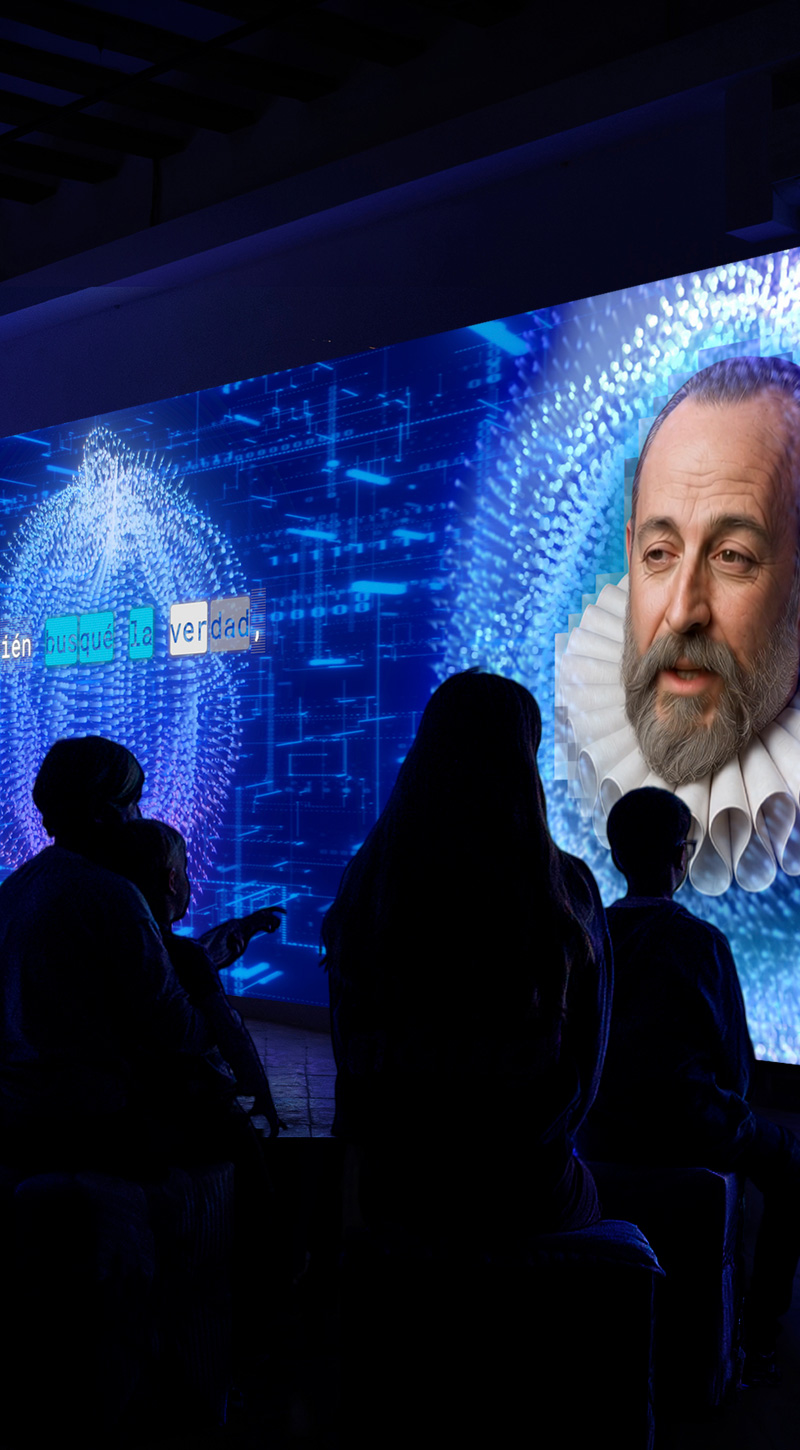
A cultural milestone was established here: the history of a language that would later be shared by over 600 million people started here. AutorIA takes us on a tour through that history, updating it to the present day and projecting it towards the future. A history of the Spanish language that wrote some of its most important pages in La Rioja: from the universe of the monasteries and the glossaries of San Millán, one of the first and most comprehensive written testimonies from the Romance vernaculars of medieval Iberia, to the texts of Gonzalo de Berceo, the first known author of our literature, or other great creators, scholars and figures who have helped Spanish to evolve. La Rioja is also home to the biggest open system of scientific information in Spanish: Dialnet. La exposición termina allí
donde empieza una nueva pregunta: What does authorship mean at a time when machines are disrupting knowledge generation?

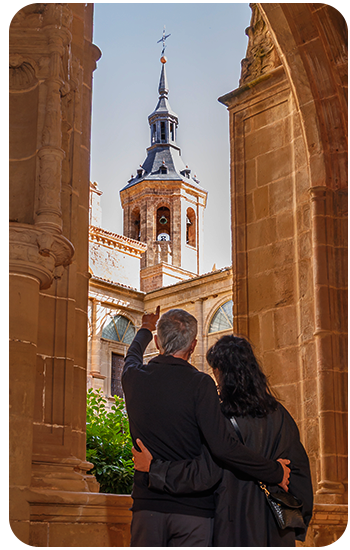

San Millán de la Cogolla is the starting point of a journey that shows how a language transforms itself and grows through the efforts of the people who write, speak, study and create it. The monasteries of Yuso and Suso constituted one of the main centres of knowledge and culture in the Western world for centuries. They retain the memory of those who made words a way to convey ideas, knowledge and beauty. A set of codices of unparalleled cultural, heritage and linguistic value was crafted and preserved there.
The codices of San Millan allow visitors to delve into one of the key periods in Spanish history.
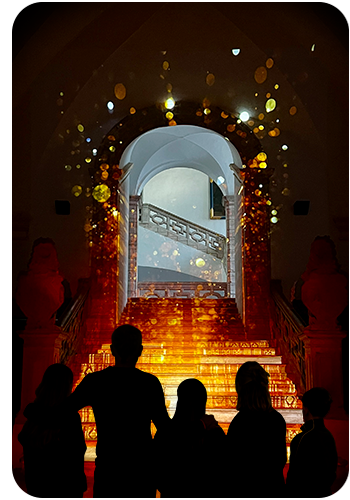

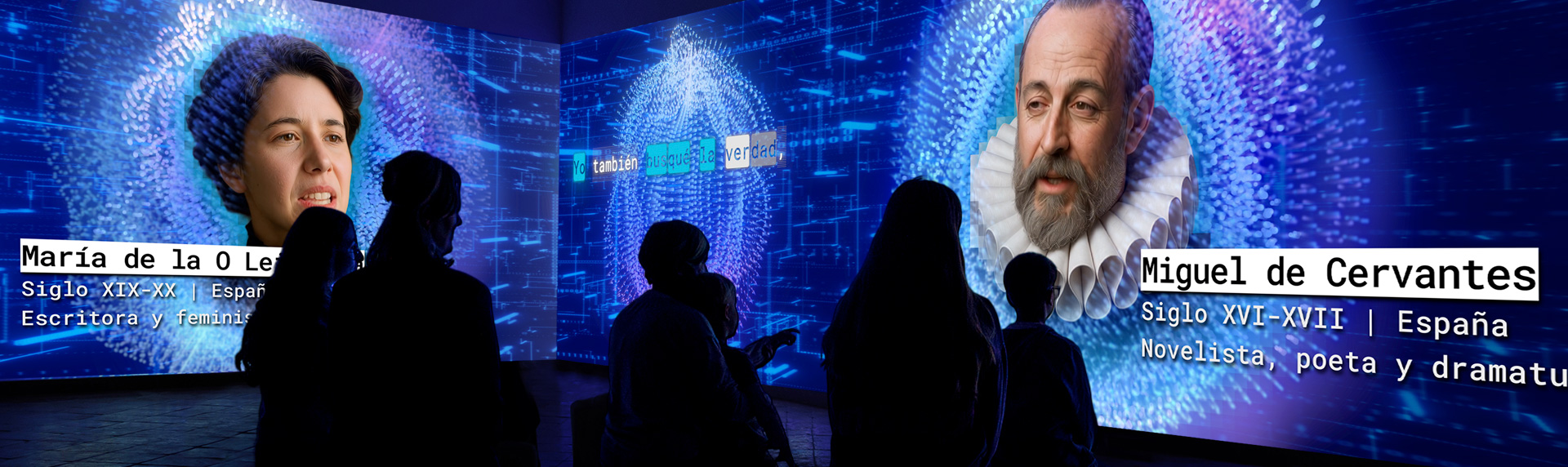
Spanish is a living, dynamic language that is constantly evolving. AutorIA traces its history through authors, texts and other items to discover how the language was consolidated, enriched, and spread across the world. De Nebrija a Cervantes, de Miguel Hernández a Pablo Neruda, de Juan Ramón Jiménez a Cela, de María de la O Lejárraga a Ana María Matute... The exhibition shows how the various forms of speech, writing and creation in the extensive Hispanic American world have projected the Spanish language in a global context.
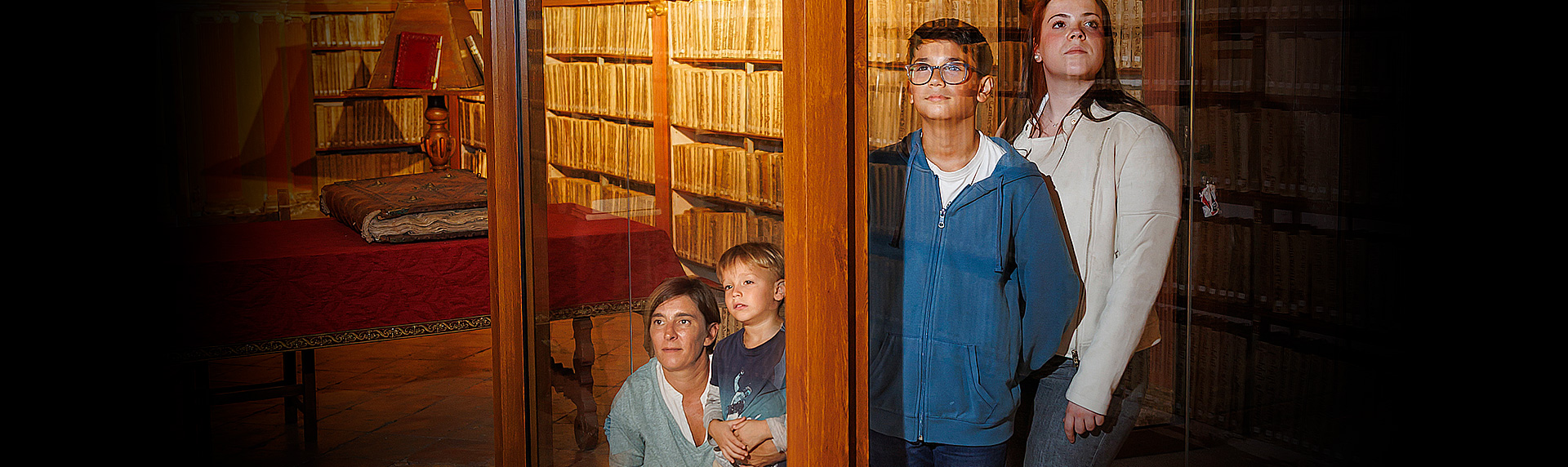
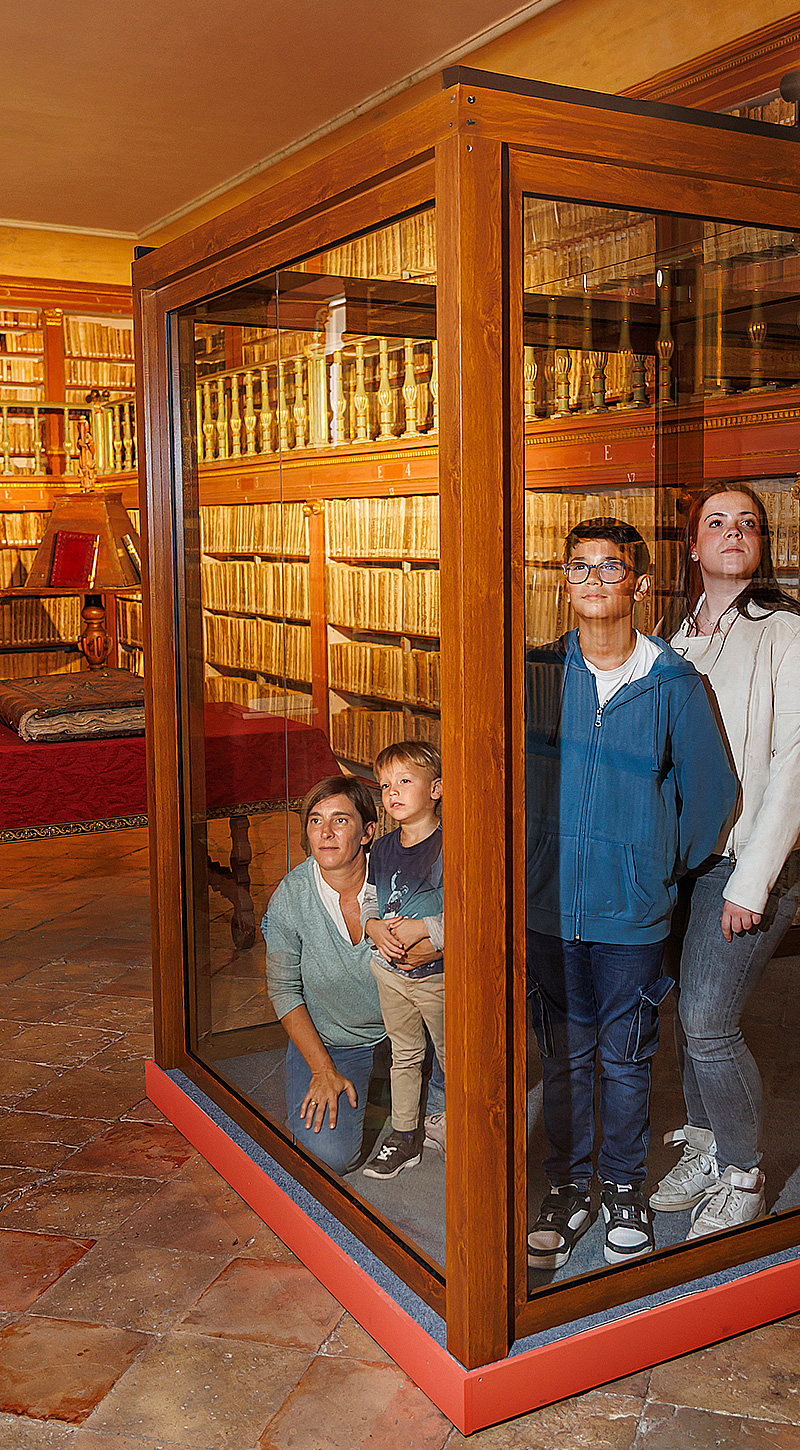
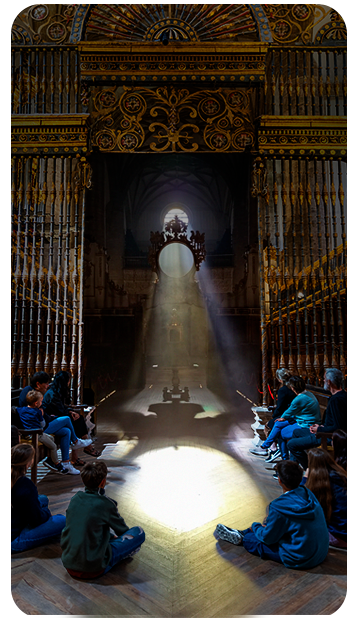

Over fifty pieces reveal the history of the language through an exceptional heritage. For the first time in Spain, the three preserved arms of the ivory cross of San Millán come together, sent from the Louvre and the National Archaeological Museum. Yuso is also home to the harpsichord of the queen consort of Spain Bárbara de Braganza, which the great baroque composer Domenico Scarlatti played when he visited the monastery. There are also elements of enormous emotional and symbolic significance from the heritage contained in the monasteries, such as the effigy of the ‘Virgin of the Apple’, stolen from the Monastery of Suso in 1963 but now definitely back in La Rioja. Visitors can also enjoy several other artworks and testimonies linked to essential figures of our language and culture, to reconstruct a history that was dispersed for centuries but can now be found again in San Millán.
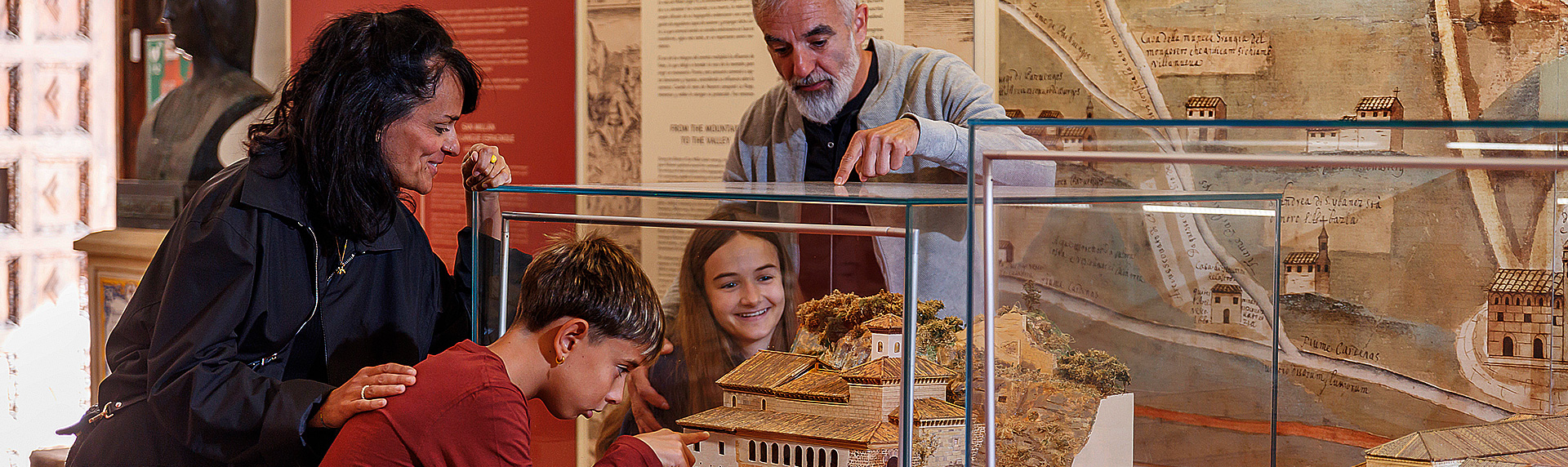
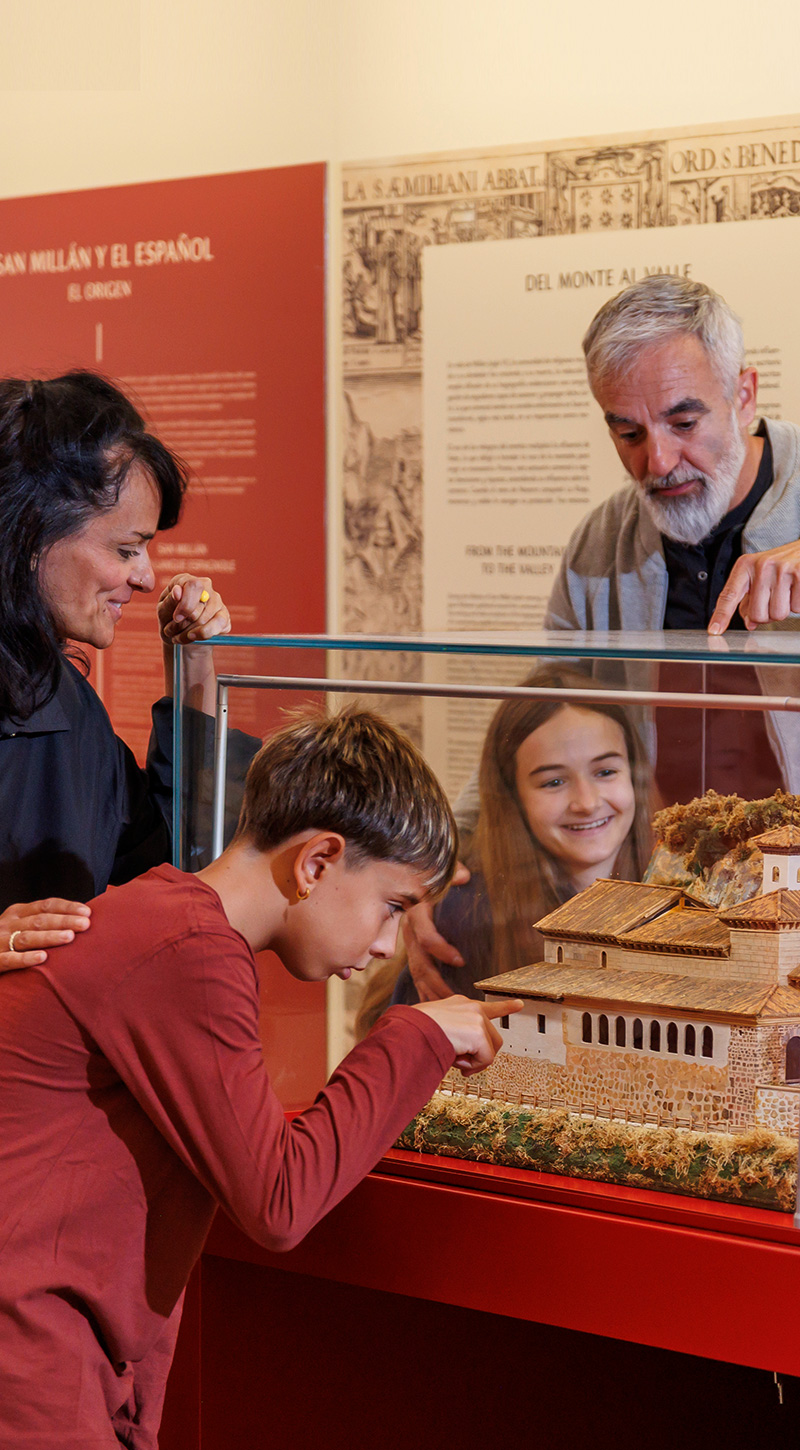

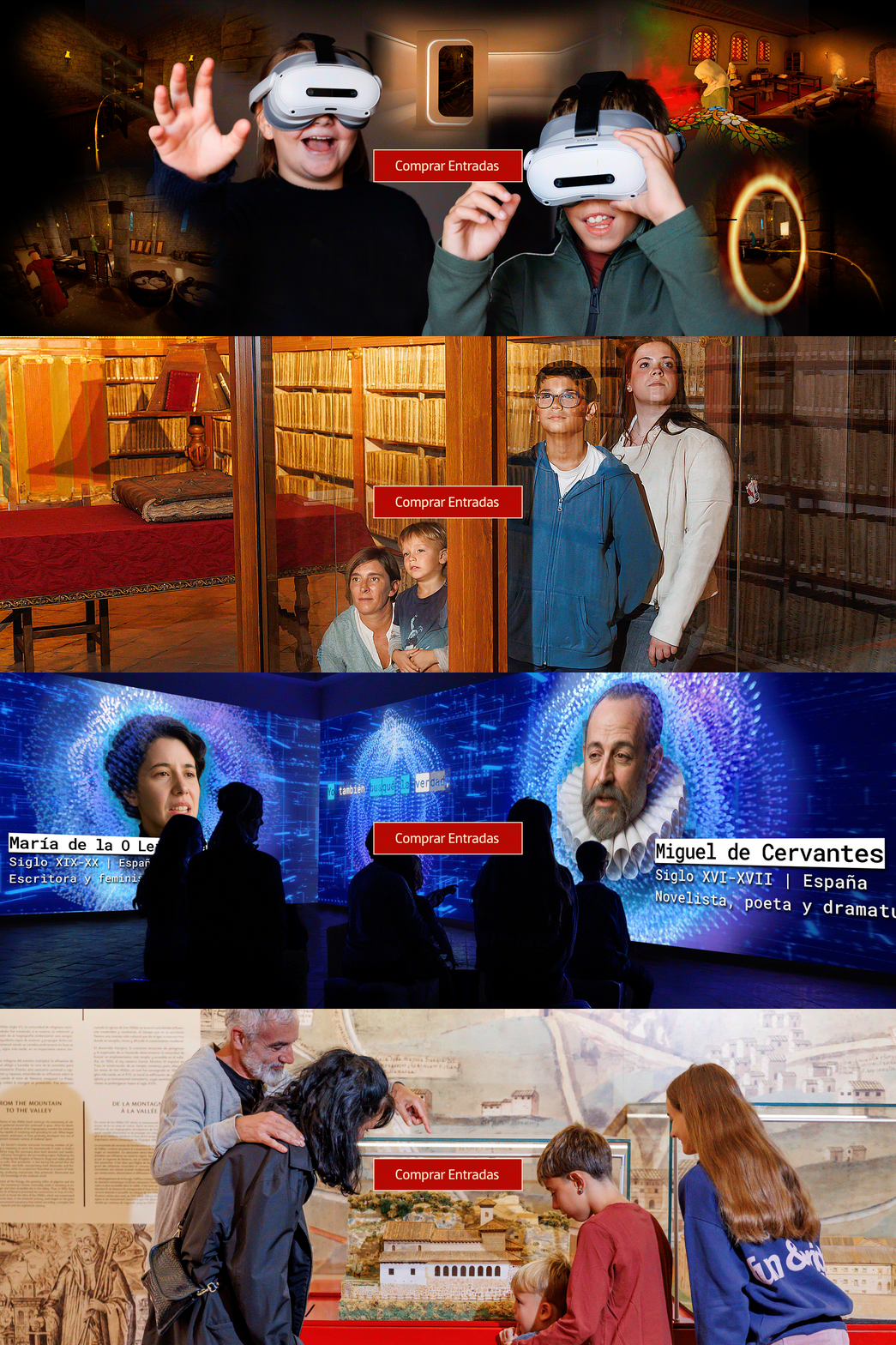
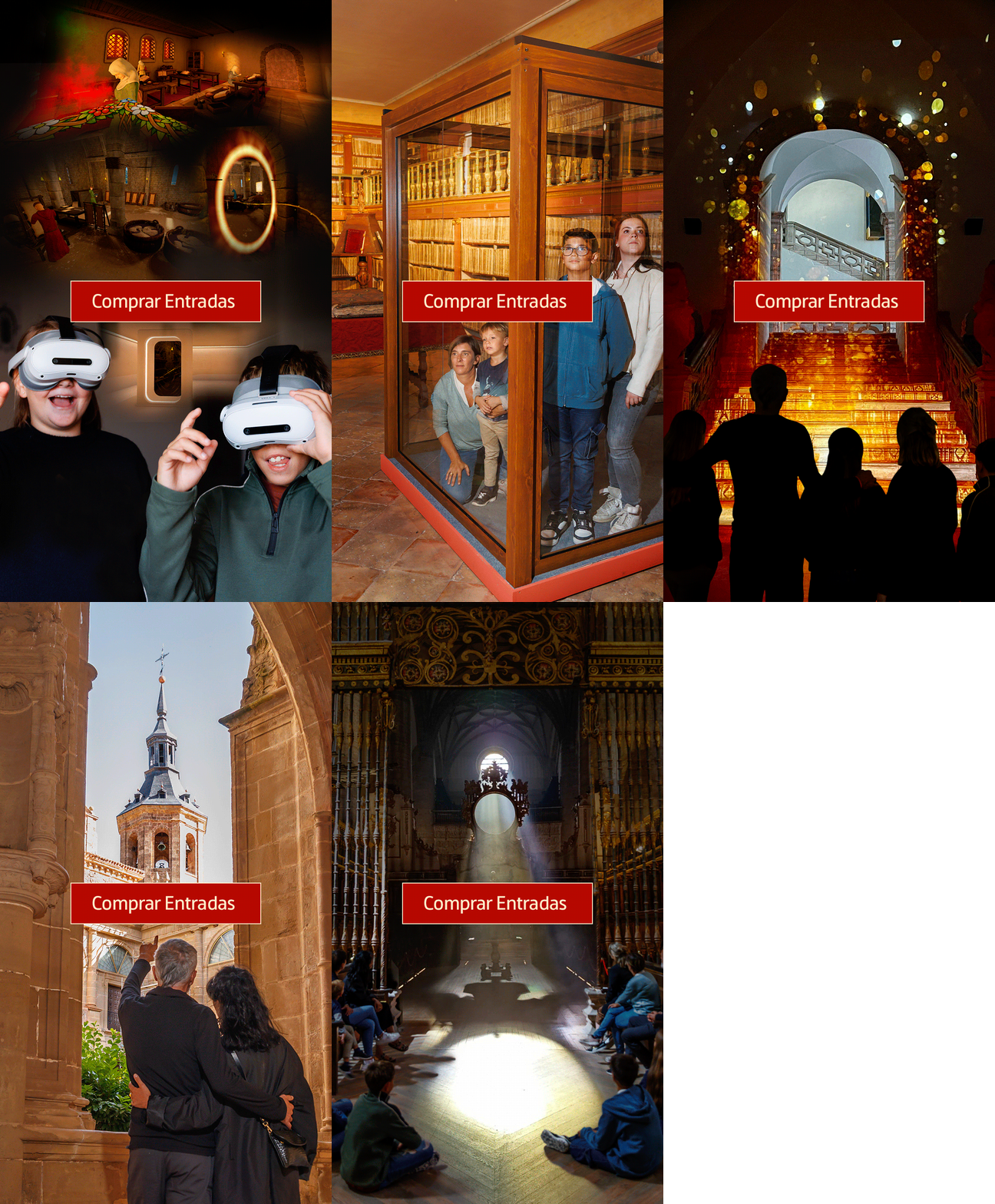
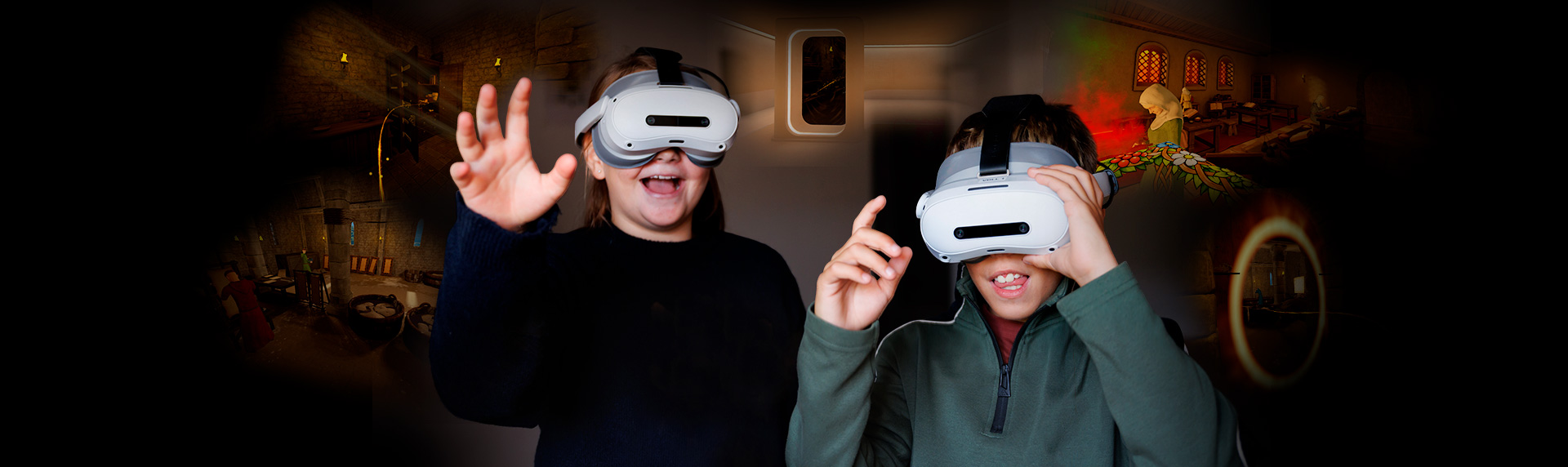
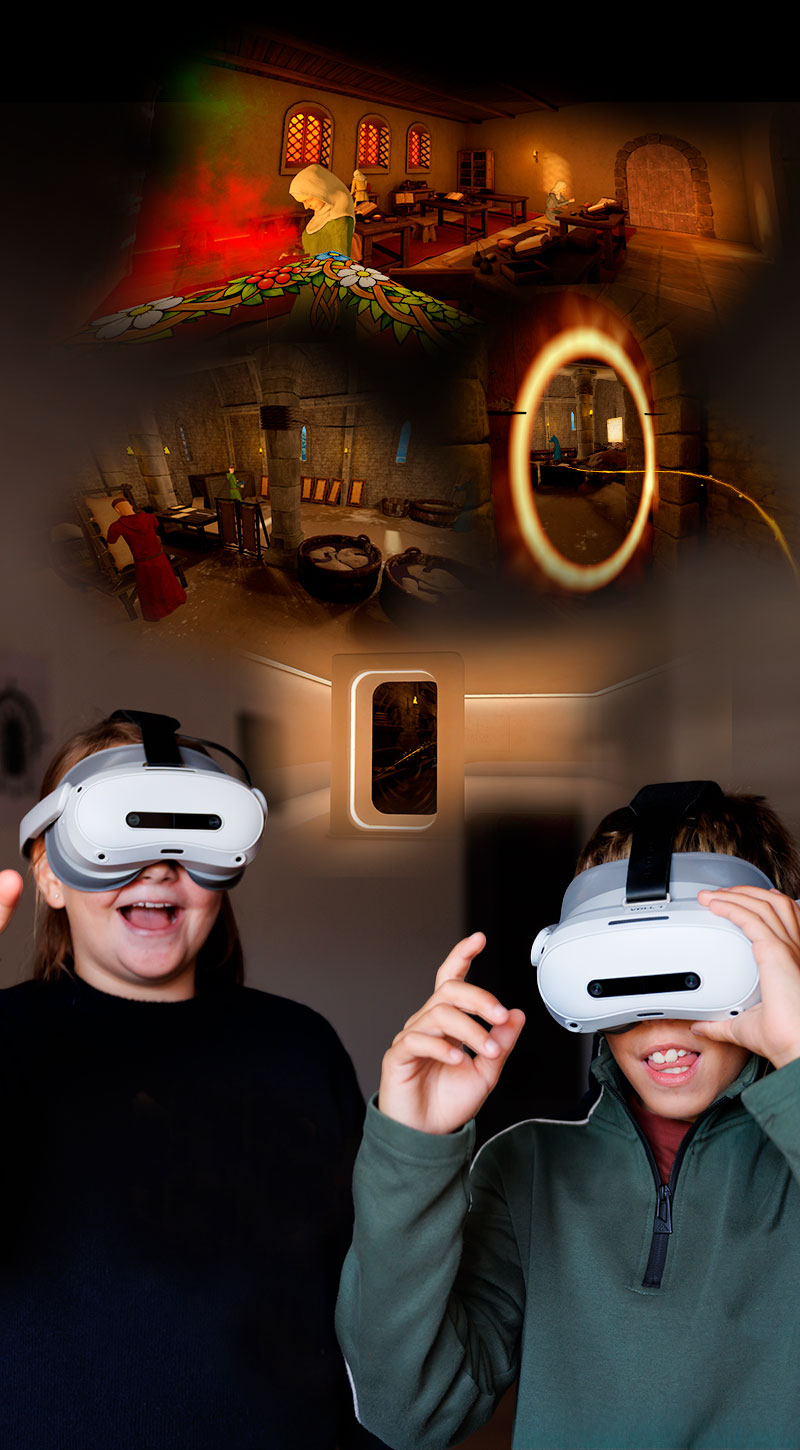
2026 marks the 100th anniversary of the publication of Orígenes del español (The origins of Spanish), a book by Ramón Menéndez Pidal that made San Millán and La Rioja essential elements in understanding the birth of our language. A century later, AutorIA introduces new immersive, interactive audiovisual creations in a surprising itinerary where you can discover previously hidden spaces in the monastery or enter rooms as unique as the Library, making a visit to Yuso a completely new and unforgettable experience.
The last section of the exhibition is dedicated to one of the great challenges of our time: artificial intelligence. The flood of new technologies, the digital world, or AI are increasingly used for producing texts, information and communication, interacting with the creation and use of human languages and generating several issues and uncertainties around the future of the Spanish language. La Rioja, the birthplace of Spanish, faces these challenges while participating actively in the responses, proposals and solutions that are generated from the variety of industries associated with the development of the Spanish language and its rich culture.
From 30 September 2026 to 10 January 2027
Tickets
ADULT:
€12 (Guided visit) / €10 (Visit without guide)
DISCOUNTED TICKET*:
10 € (Guided visit) / 8 € (Visit without guide)
MINORS (8 TO 17 YEARS OLD):
€8 (Guided visit) / €6 (Visit without guide)
BELOW 8 YEARS OF AGE:
Free of charge (Guided visit and Visit without guide)
FAMILY TICKET (2 adults and 2 minors):
€25 (Guided visit) / €20 (Visit without guide)
*The reduced rate applies to ICOMOS/ICOM members, pilgrims, teachers, groups of more than 10 people, and people over the age of 65.
Opening hours *
Tuesday to Saturday: 10:00 to 18:30 (last entry at 17:20)
Sundays and public holidays: 10:00 to 15:00 (last entry at 14:00)
Mondays: closed.
*(generally)
More information is available by email: autoria@larioja.org
Plan your visit
The exhibition is located at the Monastery of Yuso in San Millán de la Cogolla.
Address: c/ Convento (no number), 26326 San Millán de la Cogolla.
The Monastery of Yuso is located in San Millán de la Cogolla (La Rioja), in the valley of the River Cárdenas. You can get there by private car by following the signs to San Millán and, once there, continue on to the Monastery of Yuso.
GPS: 42°19′33″N 2°51′55″O
There is a bus from Logroño (Line VLR-108 Logroño-Estollo). The journey takes around 55 minutes at the following times (we recommend checking these times before taking the bus):
From Logroño to San Millán:
• Monday through Friday: 13:00 and 18:40.
• Saturday: 08:00.
• Sundays and public holidays: 08:30.
From San Millán to Logroño:
• Monday through Friday: 08:50, 15:05 and 19:45.
• Saturday: 09:05 and 20:10.
• Sundays and public holidays: 19:15.
Yes. There are parking spaces near the Monastery of Yuso.
The exhibition can be visited from September 30th 2026 to January 10th 2027.
• Tuesday to Saturday: 10:00 to 18:30 (last entry at 17:20)
• Sundays and public holidays: 10:00 to 15:00 (last entry at 14:00)
• Mondays: closed.
*(generally)
Please note that temperatures can be low at this time of year, and it can be cool inside a monastery.
The visit includes one upward staircase and another downward. There is an elevator for the exclusive use of people with reduced mobility, for example, those in wheelchairs or using crutches. If you need to use the elevator, please let us know when you make your reservation.
Yes. There are bathrooms/toilets on the ground and first floors. There are also adapted toilets for people with reduced mobility, located next to the ticket office (outside the monastery).
Tickets
You can choose between a Guided visit and one without a guide. The prices depend on the type of ticket:
• ADULT: €12 (Guided visit) / €10 (Visit without guide)
• DISCOUNTED TICKET*: 10 € (Guided visit) / 8 € (Visit without guide)
• MINORS (8 TO 17 YEARS OLD): €8 (Guided visit) / €6 (Visit without guide)
• BELOW 8 YEARS OF AGE: Free of charge (Guided visit and Visit without guide)
• FAMILY TICKET (2 adults and 2 minors): €25 (Guided visit) / €20 (Visit without guide)
* The reduced rate applies to ICOMOS/ICOM members, pilgrims, teachers, groups of more than 10 people, and people over the age of 65.
Advance purchase of tickets online is recommended through this website. Tickets can also be purchased in person at the ticket office of the Visitor Centre of the Monastery of San Millán de Yuso, subject to availability.
Yes. You can visit it on your own, and add to it through a web-app available to all visitors, regardless of the type of visit chosen. This web-app will allow you to enhance your experience during the tour. Through additional content, interactive resources and supporting information, the web-app provides more detailed information about the main items on display, enriching your visit in the process.
This web-app also offers an audio-guide in Spanish, English and French.
The visit without a guide does not have a particular duration. If you prefer to stop and read the panels, explore the interactive content and enjoy the experience without hurrying, we recommend a minimum of ninety minutes.
Yes. Guided visits are available every 20 minutes, with groups of up to 25 people. Although not essential, pre-booking is recommended to secure a place.
The guided visit lasts about 90 minutes and includes the explanations of a guide in Spanish and English and French (subject to demand). The augmented reality content requires the use of earphones (these are not supplied by the organization).
Yes. Children are welcome, but they must always be accompanied by an adult.
We do not recommend using pushchairs during the visit, as some parts of the itinerary have obstacles and there are some experiences that are not accessible with a pushchair.
During the visit
To enjoy the explanations and follow the visit in comfort, we recommend staying with your guide all the time.
Yes, you can take pictures during the visit. However, please do not use flash, to help conserve the works on display.
To enjoy the exhibition in a quiet way that is respectful of other visitors, please mute your mobile phone and only use it quietly when necessary.
No, touching the artworks is not allowed. You will be able to interact with some interactive elements in the exhibition, which are specifically designed to be used and enjoyed during the visit.
We encourage you to refrain from talking during the visit or to speak very quietly if necessary, to enhance the experience of all the visitors to the exhibition.
To care for the space and the items on display, food and beverages should not be introduced or consumed inside.
Baggage and personal items
No, there is no cloakroom or locker service. We encourage you to access the venue without backpacks or large bags. Please leave them, if possible, in the bus, car or other safe place before you start the visit.
Access is not permitted with backpacks (or similar), oversized bags, umbrellas or other objects. We recommend that you leave them elsewhere before the visit.
Access with animals is not allowed, except for guide dogs.